

Disorders

Research Grant - 2022

Research Category: MND / ALS and other Neurodegenerative Diseases

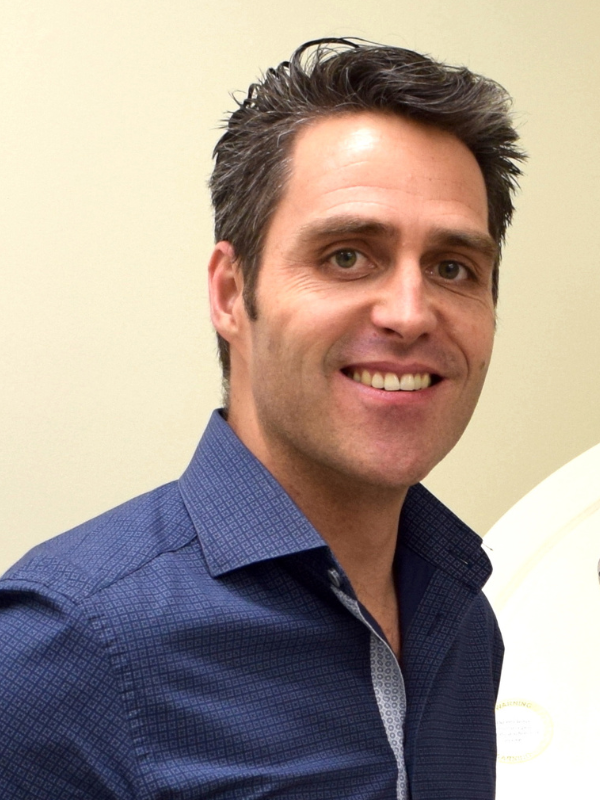
Dr Frederik Steyn was the recipient of Brain Foundation grant funding in 2022

MND / ALS and other Neurodegenerative Diseases

MND / ALS and other Neurodegenerative Diseases
Mapping nutrient-sensing pathways in the brains of people across the ALS-FTD spectrum of disease
Dr Frederik Steyn
University of QLD
Co-Investigators : A/Prof Shyuan Ngo, A/Prof Rebekah Ahmed, Ms Stephanie Howe, Ms Jeryn Chang

Watch Dr Frederik Steyn accept the research grant award and hear a bit about the project.

Project Summary:

Motor Neurone Disease (MND) is a group of incurable diseases of the brain and spinal cord that robs the individual from using their muscles. Amyotrophic Lateral Sclerosis (ALS) is the most common form of MND and is generally associated with more rapid disease progression. For most patients with ALS, death occurs within 3 to 5 years following the onset of symptoms. Our research focus is to develop a greater understanding of factors that impact the rate of disease progression in patients with ALS, with the aim of developing therapies to help slow disease progression and improve quality of life.

 Some patients with ALS experience unexplained changes in appetite. In these patients, weight loss due to loss of appetite is associated with faster disease progression and earlier death. There is evidence to suggest that the hypothalamus (a part of the brain that regulates appetite) might be impacted by disease. Using emerging technologies, we will define the impact of disease on cells within brain samples from people with ALS and uncover how ALS impacts hypothalamic cells across different types of ALS. With support from the Brain Foundation, we are now able to conduct the most comprehensive interrogation of this part of the brain – a world first for ALS research and for research in general. Results will improve understanding on how disease might impact areas of the brain that regulate appetite, and with this, provide key insight into how best we can support people living with ALS.

Outcomes:

Frontotemporal dementia (FTD) lies along the same disease spectrum as ALS. These conditions overlap in symptoms, genetics, and disease biology, and some people develop features of both. But while people with ALS/MND often experience reduced appetite, those with behavioural variant FTD (bvFTD) more commonly develop increased appetite or altered eating behaviours.

Dr Steyn and his team used advanced high-resolution imaging technology to compare post-mortem hypothalamic tissue from donors with MND, bvFTD, or combined MND-FTD. They hypothesised that different cell types within the hypothalamus may be affected in different ways across the disease spectrum.

Their research found that the hypothalamus in these patients shows signs of cellular stress and immune system reactions that vary depending on which form of the disease they have. The findings also suggest that the protective barrier between the brain and the bloodstream might be altered within the hypothalamus. These changes could allow different signals from the blood to enter the brain, potentially explaining why the same genetic cause leads to such a wide range of symptoms across the disease spectrum. This research helps scientists understand how specific brain changes drive eating behaviors and provides a foundation for developing more targeted treatments for these conditions in the future.

You can learn more about these research results in the Final Report and publications, linked below.

  • Final Report (April 2026)
  • Journal Article: Stephanie Howe, Heather McCann, Zherui Xiong, Quan Nguyen, Frederik J Steyn, Shyuan T Ngo, Jeryn Chang, Long-term fixation impact on archived human nervous tissues for sequencing-based transcriptomics, Brain Communications, Volume 7, Issue 6, 2025, fcaf428, DOI: 10.1093/braincomms/fcaf428

Brain FoundationThe Brain Foundation is dedicated to funding the next generation of Australian research into brain disorders, diseases, and injuries, with the ultimate goal of advancing diagnoses, treatments, and patient outcomes.

There is no cure without research.