
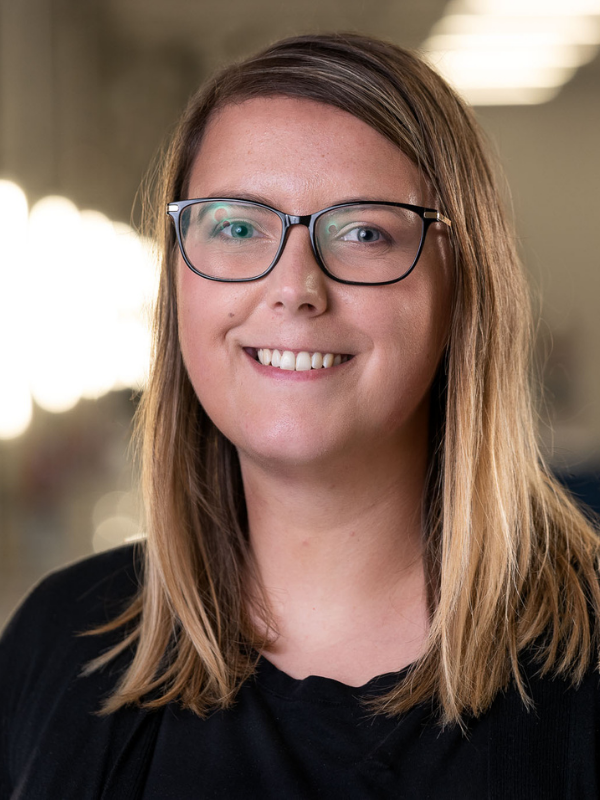
Watch Dr Karissa Barthelson accept the research grant award and hear a bit about the project.
Project Summary:
Dementia is not only a disease of the elderly. Every 1 in 2,800 children are born with a genetic disorder which causes childhood dementia. Sanfilippo syndrome, among these genetic disorders, is particularly tragic and currently has no cure. Children born with Sanfilippo syndrome seem to develop typically during their early years, only to face a loss of developmental milestones from approximately two years of age. In the years following, neurodegeneration begins to onset which ultimately leads to a heartbreaking loss of life. At the cellular level in the Sanfilippo brain, many problems are occurring. Some of these problems appear similar to those which occur in Alzheimer’s disease, the most common form of dementia. However, a thorough comparison of these diseases has not been performed.
This study will utilise our zebrafish models of these diseases to compare the brain gene expression changes at the level of single cells. To do this, we will use a cutting-edge technique called single-nuclei transcriptomics. This is one of the most sensitive and powerful methods of examining the molecular state of the brain. We will dissect how each of the brain’s many different cell types are altered in these diseases, and whether there are commonalities between them. Identification of common cellular changes between the Alzheimer’s disease and Sanfilippo syndrome models will suggest novel therapeutic approaches which could be beneficial for both diseases.
 The Brain Foundation is the largest, independent funder of brain and spinal injury research in Australia. We believe research is the pathway to recovery.