
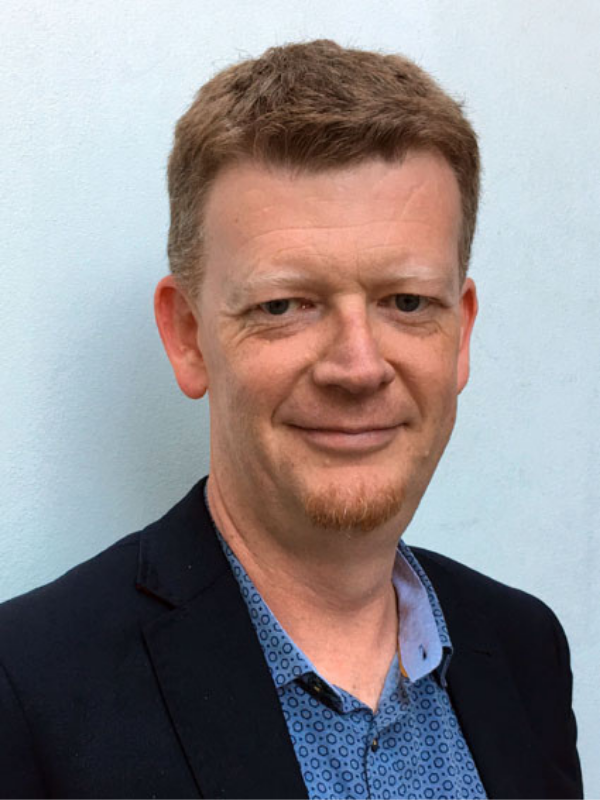
Watch A/Prof Todd Andrew Hardy accept the research grant award and hear a bit about the project.
Project Summary:
Susac’s syndrome is an autoimmune disease where a person’s immune system mistakenly attacks the small blood vessels of the brain, cochlea of the ear, and the retina of the eye causing brain damage and hearing and visual loss.
Early corticosteroid treatment helps to suppress the immune system and limit damage from the disease. Often, other high powered immune therapies are added but this may not be appropriate for all due to the risk of adverse effects, such as infection.
Data are limited as to whether patients with Susac’s syndrome acquire progressive brain shrinkage (atrophy) over time and whether it might relate to poorer cognitive and disability outcomes. Furthermore, no studies have looked at whether the volume, location and burden of areas of brain magnetic resonance imaging (MRI) abnormality (or “lesions”) predicts outcomes later in life.
We will investigate lesion characteristics and brain shrinking in Susac’s syndrome by reviewing sequential MRI scans of the brain performed as part of usual clinical monitoring in patients with the condition. Brain MRI scans will be analysed using software developed to assess for brain lesion measurements (such as lesion volume and distribution), and atrophy (evaluating the change in volume of different brain regions over time).
The results of the study will help clinicians to understand whether high powered therapies should be used from the outset in all, or a subset of, Susac’s syndrome patients and whether chronic immune treatments are required for long periods to minimise ongoing lesion formation, brain shrinkage and disability.
 The Brain Foundation is the largest, independent funder of brain and spinal injury research in Australia. We believe research is the pathway to recovery.